Forestry
Destination:
ThaiInfo
Welcome to Amazing Thailand
Total Page Views for ThaiInfo: 3,678,454 - Views this week: 3,678,454 |
|
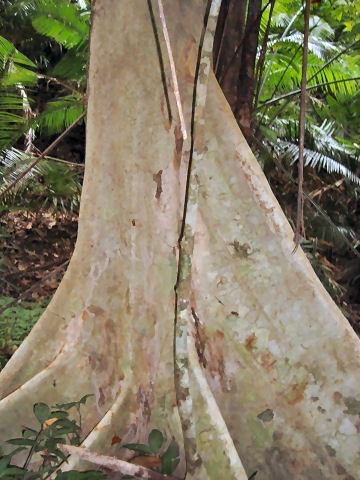
For centuries timber was cut but the trees were never replanted. The consequences were bare hills and soil erosion. Today tropical rain forest only covers about 14% of Thailand's land area. However, in 1970 it was 45%. That is a 30% loss in about 30 years. In November 1988 a natural catastrophe occurred. After days of heavy rain bare hillsides released an avalanche of mud and uprooted trees engulfing 250 people in Phipun village near Nakhon Si Thammarat in the south of Thailand. Ecologists had warned of the risk for a long time. Following an inquiry by the former minister, president and present consultant of the king, Prem, the Thai government concluded in January 1988 that countrywide all concessions to logging companies must be withdrawn. Allegedly bribery was involved when these concessions were originally granted. Furthermore they implemented stricter export controls which were meant to stop the loss of indigenous forest. Slash and burn as practiced by the people living in the forested mountains of the north was made illegal.
More Information about Deforestation:
http://en.wikipedia.org/wiki/Deforestation_in_Thailand
|  |
Reafforestation
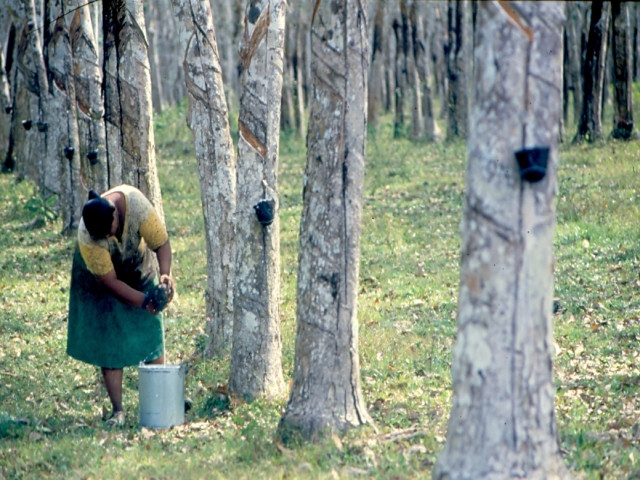
Ten years ago the government started a program for reforestation under the patronage of the king. Although, this reforestation includes partly firewood and a rubber crop in addition to environmentally sensitive varieties of trees. In rural areas firewood is the primary source for energy, therefore fast growing tree species will be mainly planted. Other regions are focused on profitable species for the reafforestation, such as rubber- and hardwood trees.
|  |
Plant-for-the Planet
Felix Finkbeiner, a german student, started in the age of 9years the environmental campaign "Plant for the Planet".
In Thailand some of the residents are supporting this initiative, which is planing on planting a total of 1Million trees by students and teenagers.
For more information on this initiatiative, please click the link below:
http://www.plant-for-the-planet.org
|